In a world full of environmental havoc, climate change, and neglectful business practices, we must consider who is put at most risk. And, when we figure that out, how do we begin to lessen that risk? This is the premise of environmental justice— that everyone should be equally protected from environmental hazards and should have an equal voice in environmental decision-making. That means every race, every age, every income bracket. Everyone.
So with that being said, what would environmental injustice be? Environmental injustice can include things like disproportionate land use, such as placing landfills and other undesirable structures in areas with a majority low income or minority population. This increases the health risks posed to such vulnerable populations, and leaves them with little-to-no way to efficiently deal with the effects of this pollution.
My hope is that eventually, everyone will have the ability to have their voice heard in environmental matters. That the government will listen to their cries and that their voices will change the laws that once targeted them.
~~~~~~~~~
While this was a fairly brief introduction to environmental justice, I will be posting more articles describing certain aspects of environmental justice. From its impact on children’s health, to how it ties in with racism, to popular cases in the United States and around the world.
If you’d like to learn more about environmental justice and other environmental issues, please check out my Global Health Phenomenons Instagram page @sciencegphphenomena and TikTok @globalhealthphenomenons , where I post educational videos about global health and people’s proposed solutions which address health issues on small-to-large scales.
Interacting with science was honestly one of my fondest memories as a child. From memorizing scientific nomenclature for animal animal species, to reading fun fact magazines, to visiting petting zoos, I loved exploring the natural wonders around me. In this article, I’ll show you ways that you can expose your child to the magnificent world of science!
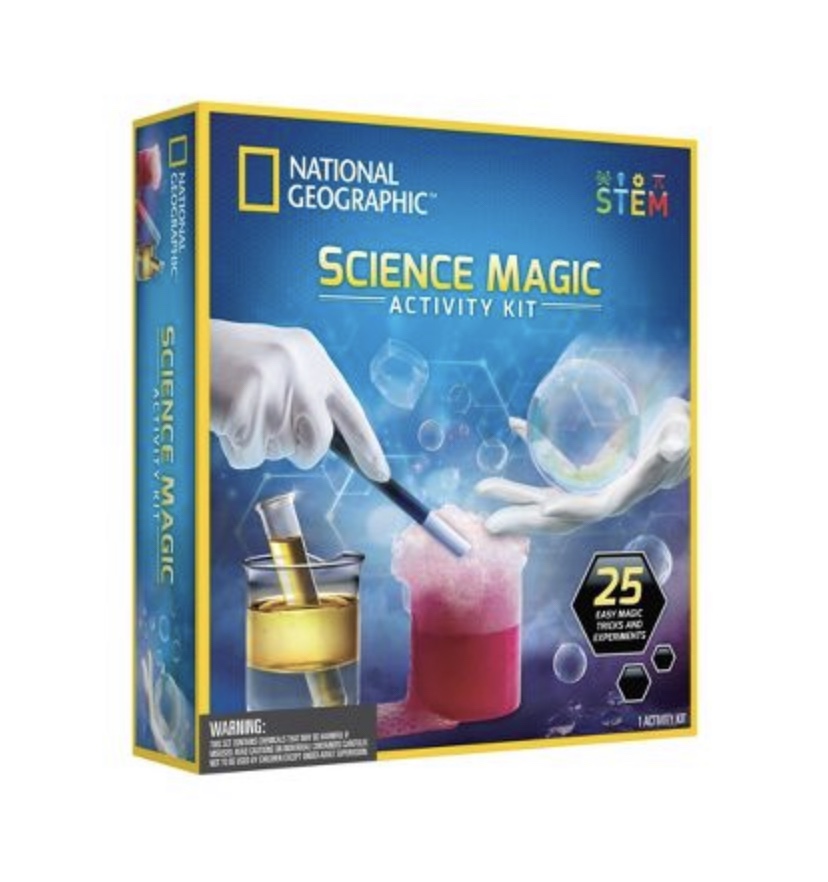
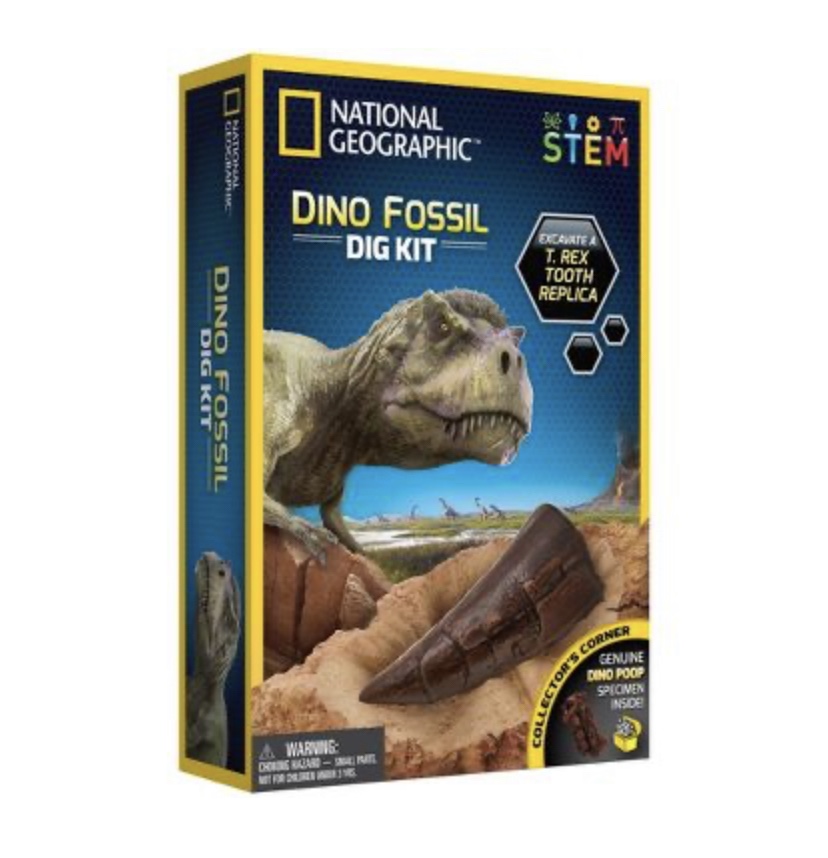
National Geographic Science Kits
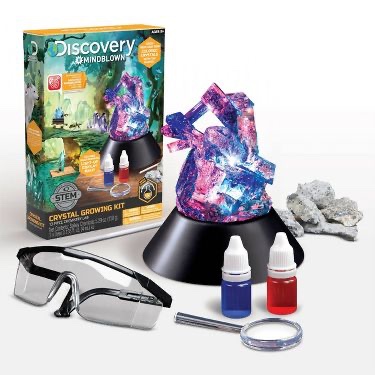
A classic, and a must-have whenever I’d enter Target’s toy section. The massive array of telescopes, backyard science experiments, and dig-kits always grabbed my attention! I’ve grown crystals, made edible water bottles, and excavated tumbled gemstones using a pick and chisel. There’s so many affordable ways to interact with science first hand. So whether it be a special occasion or a simple love for science, definitely consider buying one.
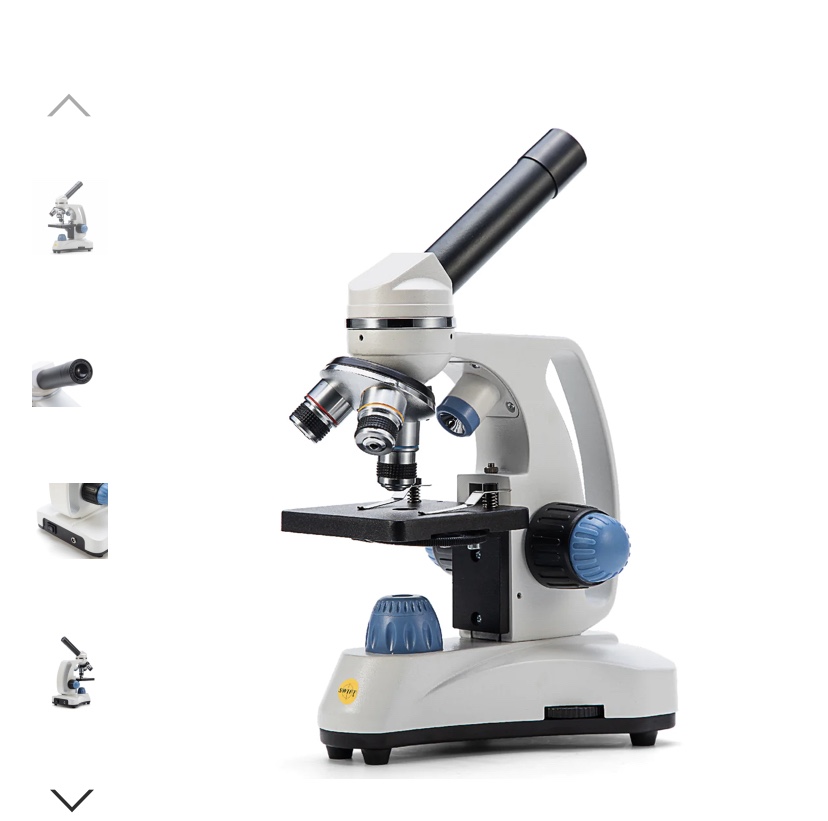
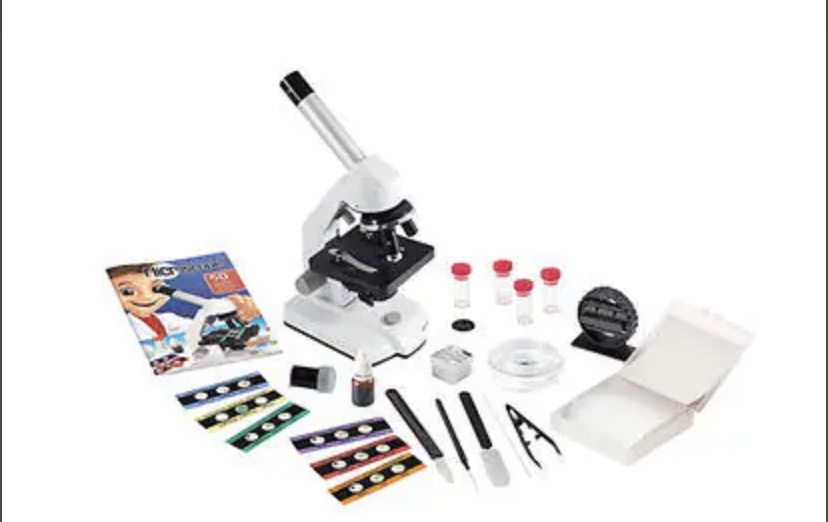
I remember buying my first microscope. The kit featured a light microscope, glass slides & covers, pigments for staining, and some tools. I’d try to collect whatever I could just so I could take a closer look at things I haven’t thought to notice beforehand. I took a few peeks at my hair, random bugs, leaves, tomato skin, you name it!
I highly recommending investing in a microscope to observe the world’s wonders close up! You never know what you might see. A moving paramecium? Cheek cells? Hair follicles? Whatever it may be, I promise it will be unforgettable.
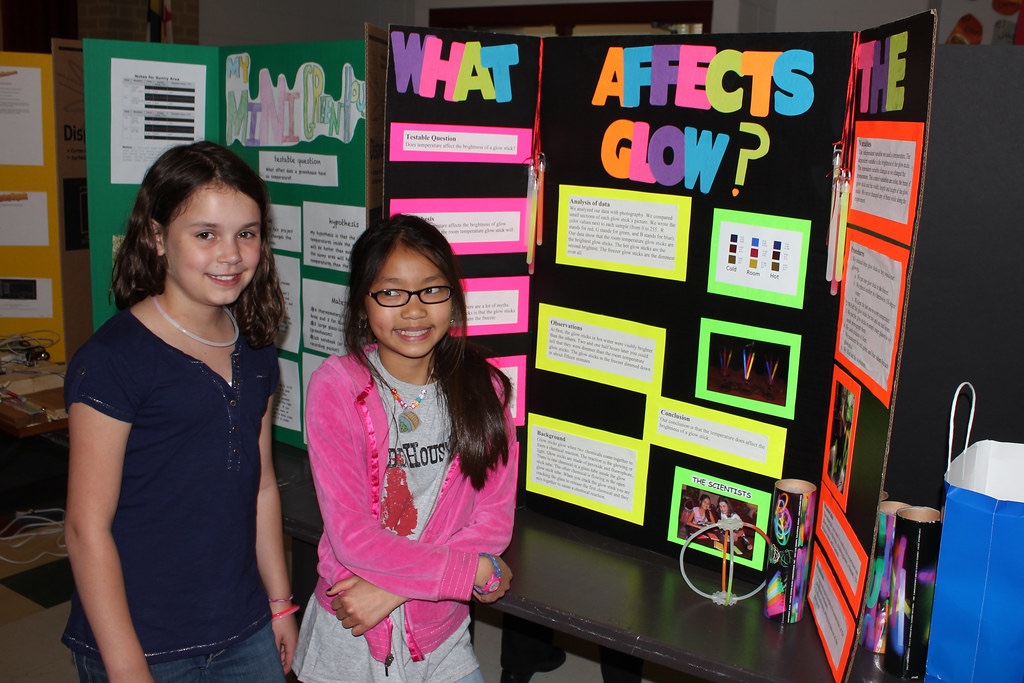
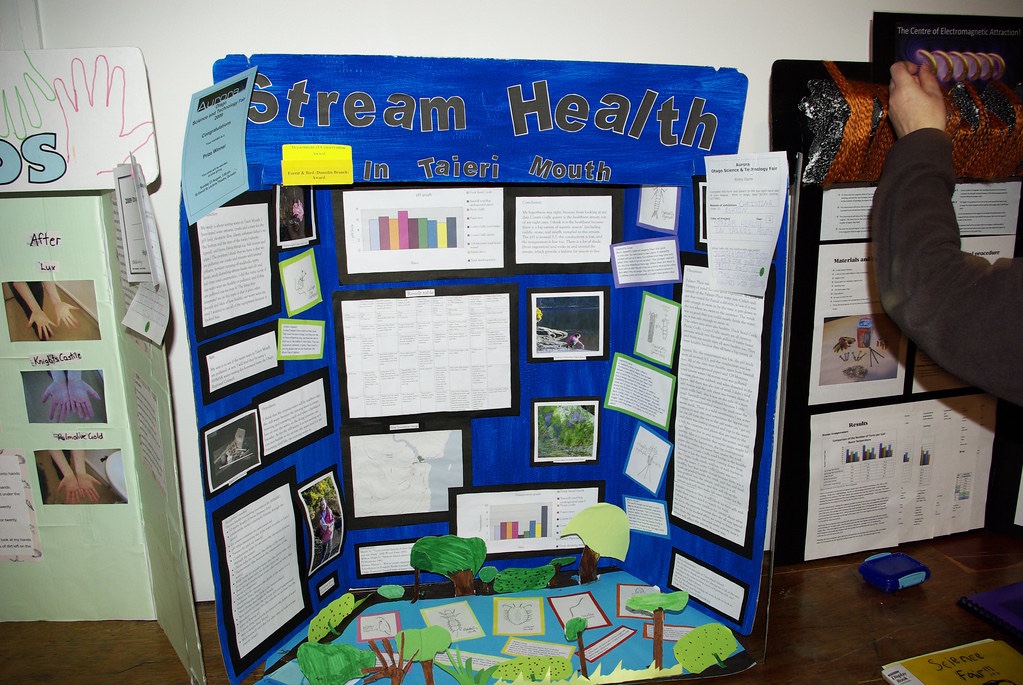
Science fairs are a MUST for budding scientists. From dioramas to demonstrations, science fairs are a wonderful way to show off your science knowledge! Once, I presented how applying a drop of soap to a bread clip can propel it to move across a body of water to demonstrate the power of surface tension — cool right?? While we were there, I saw a range of projects such as Oobleck (the non-Newtonian goopy stuff that’s solid when hit but a liquid when poured), the classic baking-soda powered volcano, and balloon cars. There’s so many things your little scientist can present to delve deeper into science. All you need is an awesome idea, tri-fold display board, some markers, pictures, glue, and experimental materials if you want to demonstrate science in real-time.
Go for a nature walk!
Take a walk with your little one around your neighborhood or at a park. See what creatures, plants, fungi, or other organisms you discover!
Pro tip: Download a plant identifier to know which plants you’re looking at, learn cool facts about them, and ways to take care of them in your own home! (It’s particularly great for recognizing if what you’re looking at happens to be Poison Ivy!)
Go to a museum or aquarium!
I’ve never met a child who hated going to a museum or aquarium. These are such unique ways to observe wildlife and historic artifacts up close, and make connections with what they see in TV and cartoons to their real-world existence. At the Turtle Back Zoo, you’ll get to see peacocks wandering around the park, or even giraffes roaming in their habitat. At an aquarium, you may even get the chance to pet a stingray or watch sea otters float!
These are only a few ways to indulge in science. But whether or not you decide to invest in a microscope or attend a science fair, always try to find ways to let your child explore their scientific interests! You can watch shows and other content (take a look at my previous post), or try some experiments at school. Science is a great thing to experience no matter what age you are. Never stop being curious!
*I was not sponsored by any companies listed in this article. I just believe that they are fun ways to interact with science!*
I, like you, love watching shows based around science and cutting-edge experiments. For example, I absolutely adore documentaries (traditional ones or docuseries), trivia, social experiment shows, and much, much more. Here’s a few of my all-time favs!
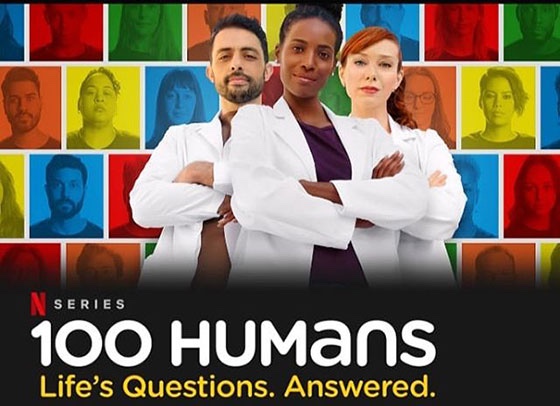
🧬 100 Humans (Netflix) 🧬
100 Humans; A funny yet intriguing science experiment
Absolutely hilarious. 100 human beings were cast to go through different experiments and react to experiences ranging from torture to pretty privilege. It was so interesting to see how different types people, whether it be age groups, introverts/extroverts, or different sexes, responded to various questions or challenges the three scientists put them through. Every episode ultimately tested the things that make us, well, human.
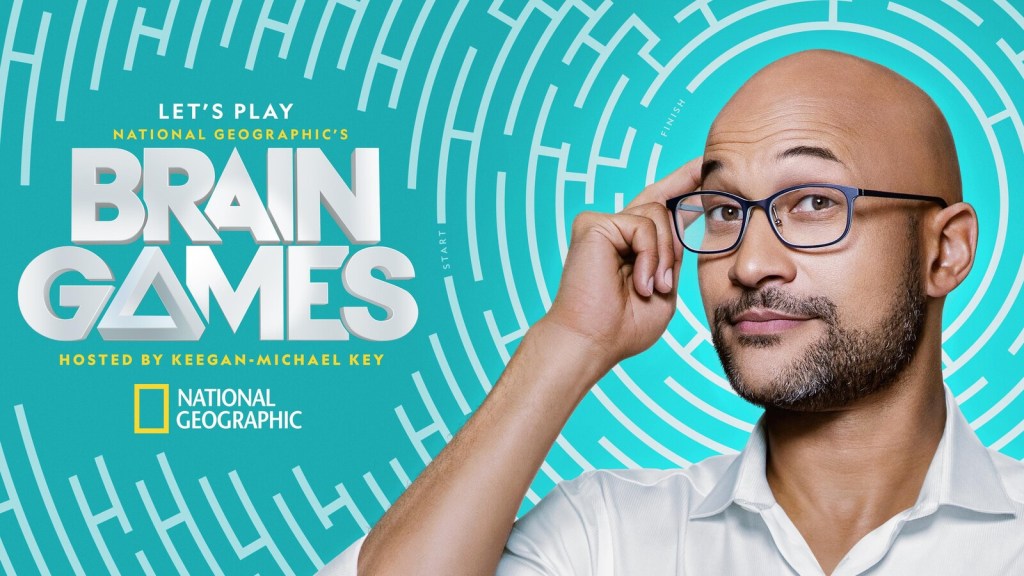
🎲 Brain Games (Disney+) 🎲
Brain Games (Emmy Award Nominated!!)
This show allows you to experience a world of optical illusions, ultimately puts your brain to the test. I’ve loved learning how the brain affects our perspective and perception, as well as how our brain is wired to see things in ways in which they’re not. To this day, this is my go-to TV show, whether I’m bored on a summer day or just want to learn about why our minds can be both our enemy and greatest tool in navigating this challenging world. Deep, I know.
🧠 Huberman Lab (Apple Podcasts) 🧠
I’ll admit, I definitely have to catch up on a few episodes. But from the ones I’ve tuned into I’ve been in love ever since. Dr. Huberman, a Stanford neuro professor along with many other impressive credentials, goes in depth about various connections between our brains and our how we both view and experience life. He talks about topics ranging from sleep deprivation, to OCD, to even music. Definitely give it a listen if you have a spare 2 or so hours in your day, or even while you do the dishes. It’s so worth it!
🧫 ASAP Science (YouTube) 🧫
Asap Science w/ Mitch & Greg
Such a classic. Mitch and Greg use whiteboard drawings to explain different science phenomenons, whether it’s the chicken vs. egg debate, or how your brain can play tricks on you from time to time. Oh, and you can’t forget about the AMAZING bops they’ve produced (100 digits of Pi song, Elements of the Periodic Table, Science Wars (BIO FOR THE WIN!!)). If you haven’t already, please check them out. I promise you’ll learn a whole lot in just a few minutes of scrolling through their channel!
🌿 National Geographic (Website, YouTube, Disney+) 🌿
National Geographic/Nat Geo Wild
Timeless. You can’t ever go wrong with National Geographic; they’ve got cool magazines, fun fact and world record books, action-packed documentaries, and endless science info. It’s made up a huge chunk of my childhood and still excites me today!
—————————-—————————-—————
Soooo, that’s my list of the awesome science media that has never failed me. I hope you’re at least intrigued by some of them and take the time to explore them on your own. If not, it’s possible that I’ll update this list as I come across some more that pique my interest.
Be sure to stay tuned for more science content from my blog!! ‘Till next time 🙂




 Global Health Phenomenons